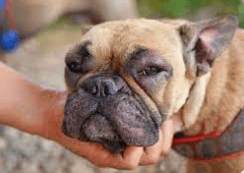

Help! My Dog is Anxious!
Anxiety in dogs is just like anxiety in humans. It is a feeling of worry, nervousness, or fear about what might happen.

What Does Anxiety Look Like in Dogs?
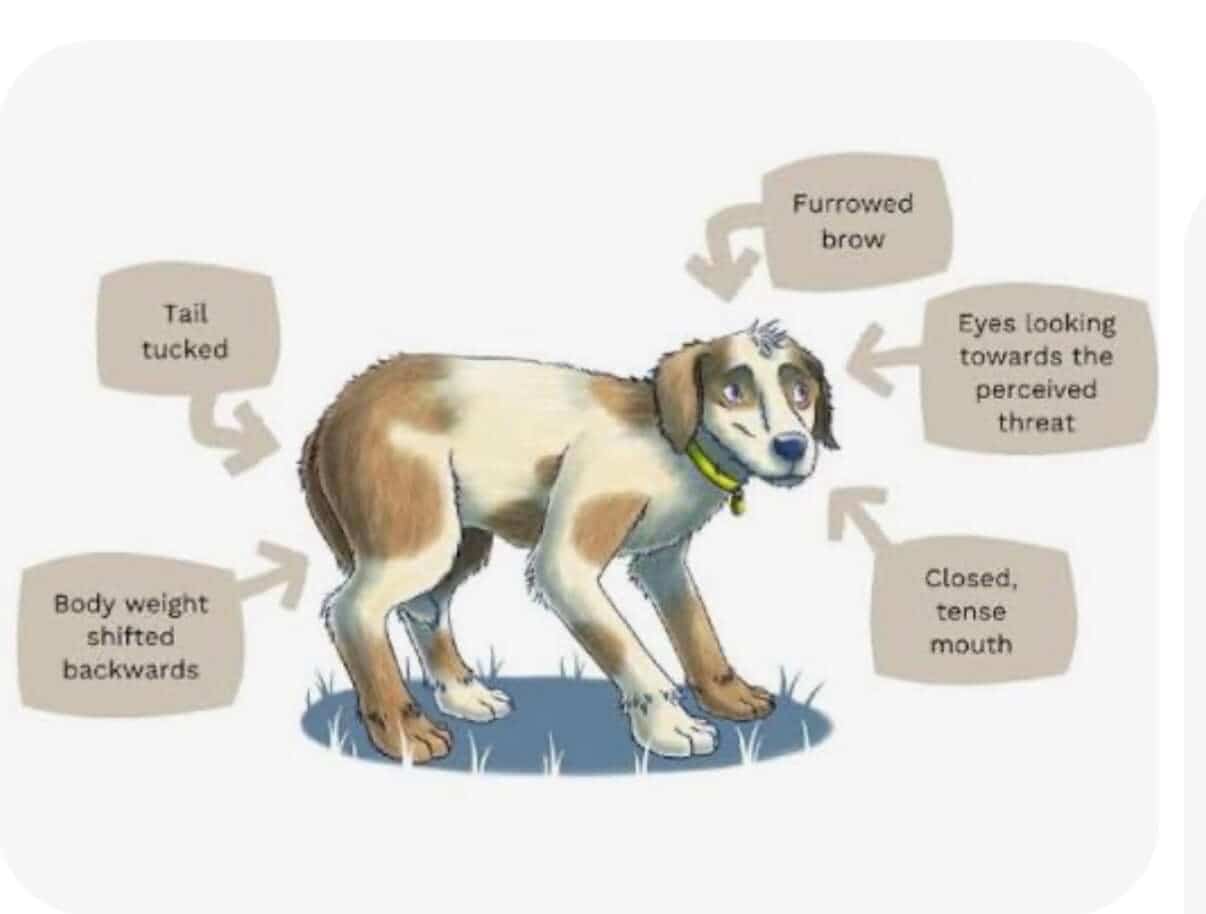
Dogs show us they are anxious by their body language and actions including panting, shaking, drooling, tail tucked, pinned ears, pacing, whining any excessive barking, destruction of furniture and accidents despite being housebroken suggest a dog may be feeling anxiety.
What is Causing my Dog to Have Anxiety?
Just like humans, dogs experience anxiety, which could be caused by separation, environmental triggers and genetics. Medical conditions including pain, inflammation, and underlying disease can also cause anxiousness in dogs.
Certain breeds such as the Border Collie, German Shepherd and Chihuahua are more prone to anxiety. These dogs often struggle with stress due to high intelligence, strong human attachment, or herding instinctsHelp!
My Dog is Anxious! What can I do?
If your dog is anxious there are a number of things you can try to alleviate it.
Diet: Start with what is in the bowl. Feeding a species appropriate diet made of whole foods compromised of 70%-80% protein, skeletal meats and organs will make any supplement you give that much more effective. Research also suggests there is a strong connection between the gut and the brain. If your dog is anxious, ensuring they are eating a high quality diet is essential. You can learn more about optimal nutrition for your dog here.
According to this 2024 study, “A variety of microorganisms inhabit the intestines of dogs, which are essential in maintaining intestinal homeostasis. These microbes can impact mental health through several mechanisms, including metabolic, neural, endocrine, and immune-mediated pathways. The disruption of a balanced composition of resident commensal communities, or dysbiosis, is implicated in several pathological conditions, including mental disorders such as anxiety."
Supplements: Calming supplements for dogs help manage mild stress such as probiotics, milk protein formulas and green tea extract.
- Probiotics: Purina Pro Plan Veterinary Supplements Calming Care uses the Bifidobacterium longum BL999 strain to promote tranquility and manage anxious pacing or vocalization through the gut-brain axis.
- Milk Protein (Alpha-Casozepine): Found in products like Zylkene, is a natural derivative from cow's milk helps soothe nervous behavior without causing heavy sedation.
- L-Theanine & Herbal Blends: Found in supplements like Solliquin and various calming chews, L-theanine (from green tea) combined with chamomile, passionflower, or melatonin helps relax dogs during storms or separation.
- CBD: CBD can help reduce mild to moderate anxiety in dogs by interacting with their nervous system to promote calm.
- According to 2024 study, “the impact of CBD treatment varied across these measures, with certain indicators showing a marked reduction in canine stress when compared to a placebo group. Additional research is required to fully understand the complex effect CBD has on the emotional well-being of dogs.
Behavior Modification: In order to help your dog feel less anxious, you have to determine what is triggering their anxiety in the first place. Is it separation? Noises? Smells? Unexpected movement? Changes to the environment? Changes to their routine?
Once you identify their individual anxiety trigger(s), you can then begin to slowly change their response to those triggers by:
- Desensitization: Slowly, expose your dog to the fear trigger very slowly and gradually introduce the trigger with greater intensity to help your dog remain calm and avoid panic. This is exposure therapy for dogs. Eventually, after enough calm exposure, your dog will become desensitized to the original trigger.
- Counterconditioning: Switch your dog's bad feeling about a trigger into a good feeling by giving them treats and praise. For example, if your dog is triggered by the doorbell ringing, give them a treat while the bell is ringing to help them understand that a ringing bell equals a treat. Think of this as doing what you need to do to help your dog stay as calm as possible. Calmness leads to more calmness. Panic leads to more panic.
- Routine: Feed, walk, and play with your dog at the exact same times every day to help them feel safe.
If these methods don’t work, consulting with your vet about anxiety medication may be the next best thing. Please consider that with any medicine your dog takes, there will be side effects and it’s important to weigh the benefits vs. the potential side effects.
Donate to Bobzilla.org
$5.00
Your Donation Changes Lives — One Bulldog at a Time 100% of every donation goes directly toward Bobzilla's groundbreaking research on vaccinosis, AGEs (Advanced Glycation End-products), and natural holistic medicine for bulldogs. No overhead. No middlemen. Just real healing. Bobzilla… read more