Traditional Cherry Eye Treatments and Alternative Approaches can Help your Dog
Exploring cherry eye alternative solutions could be incredibly helpful and cost-saving before surgery.
What is Cherry Eye?
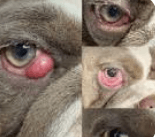
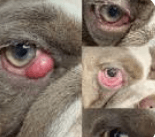
According to this 2024 study, "cherry eye is the common name for prolapse of the nictitans gland, a tear-producing gland situated under the third eyelid of dogs. Cherry eye is characterized by a red fleshy protuberance in the corner of the eye, resembling a cherry."
What are the Causes?
The main causes of cherry eye include genetic predisposition, breed disposition, age, inflammation or infection, trauma or weak ligaments.
Genetic predisposition and breed disposition, especially in English Bulldogs, Pugs, Cane Corsos, Boston Terriers and Shih Tzus, and French Bulldogs is caused by an underdeveloped or weak connective tissue passed down from generation to generation. According to this 2022 study, "prolapsed nictitating membrane gland (PNMG) is the most common disorder of the third eyelid in dogs" and concluded that "young age at diagnosis along with the breed, purebred and brachycephalic skull conformation predispositions suggest a hereditary involvement in PNMG development"
Typically, cherry eye develops in younger dogs between the ages of 6 months to 2 years of age before the connective eye tissue fully develops.
Trauma or inflammation in the eye caused by severe conjunctivitis, eye rubbing or scratching can trigger or worsen the eye gland to prolapse and cause cherry eye.
Standard Cherry Eye Treatment
Traditional chery eye treatment and alternative approaches can help your dog. Typical treatment for cherry eye is surgical tacking, which involves surgery to physically tack the eye gland to its proper position.
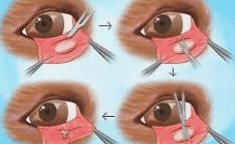
Another less common option include surgical removal, which isn’t ideal as it leads to chronic dry eye.
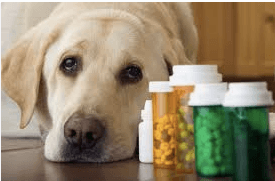
Some cases can be managed with anti-inflammatory medication like dexamethasone, antibiotics like Terramycin or Gentamicin, lubricating eye drops like Refresh or Systane or tear stimulators to manage inflammation and ideally eliminate the need for surgery or tacking, depending on the severity of the situation. Using antibiotics and steroids should be used only when there aren't any other good options available. However, they are incredibly powerful and can be life-saving when used appropriately.
Alternative and Complimentary Approaches
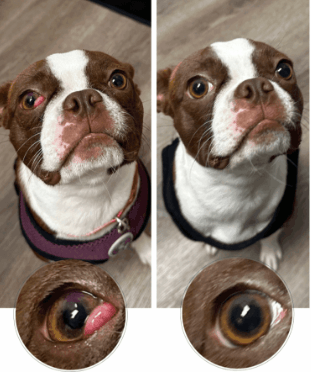
Traditional chery eye treatment and alternative approaches can help your dog. Exploring these alternatives first may help prevent the need for medications, surgery or tacking. The use of warm compresses, gentle massages and homeopathic remedies are worth trying and could prolong or prevent the needs for conventional meds, surgery or tacking.
Applying a warm, moist cloth over the closed eye may temporarily reduce mild swelling and inflammation.
Gently massaging the protruding gland in a circular motion can sometimes help it return back into place temporarily.
The use of homeopathic remedies can also be used to help eye irritation or swelling to help keep your dog comfortable but won’t correct the physical issue that is causing the gland to pop out in the first place.
- Euphrasia Officinalis 30c (Eyebright): Homeopathic remedy used to ease irritated eyes and lessen mucus and discharge. Give 1-2 pellets twice or three times a day.
- Apis Mellifica 200c: Homeopathic remedy used to reduce swelling around the eye
Nutrition to Optimize Eye Health
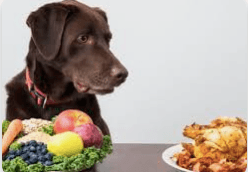
Optimal overall health will help eye health as well. Feeding a raw diet or home-cooked diet with varied protein sources and fruits and veggies will support eye health.- Orange foods that are carotene-rich such as carrots and pumpkin
- Antioxidant-rich and phytonutrient-rich foods including berries, Blueberries and leafy greens.
- Healthy omegas from sardines or fish oil.
Healing Herbs
In addition to optimizing your dog's nutrition, supplementing with healing herbs can help to reduce inflammation and promote overall health. Dog's Naturally suggests adding:
- Astaxanthin: naturally occurring red-orange pigment found in microalgea, salmon and trout that belongs to the carotenoid family and are antioxidant-rich.
- Marigold: – a potent source of zeaxanthin, a carotenoid that’s important for eye health
- Eyebright: – provides nutrients and is very healing and soothing. Dog's Naturally suggests making an herbal tincture by:
- Adding about an ounce of eye bright in a quart of boiling water
- Let it sit for at least an hour
- Use those drops to the rinse out the eye. It’s very gentle so you can use it as often as you want to – 2, 3, 4 times a day.
If your dog does have cherry eye, traditional treatments and alternative approaches can help your dog. Before jumping right to medications, surgery or eye tacking, exploring these alternatives could help your dog avoid surgery and or medication and help you save money and time.
Donate to Bobzilla.org
$5.00
Your Donation Changes Lives — One Bulldog at a Time 100% of every donation goes directly toward Bobzilla's groundbreaking research on vaccinosis, AGEs (Advanced Glycation End-products), and natural holistic medicine for bulldogs. No overhead. No middlemen. Just real healing. Bobzilla… read more