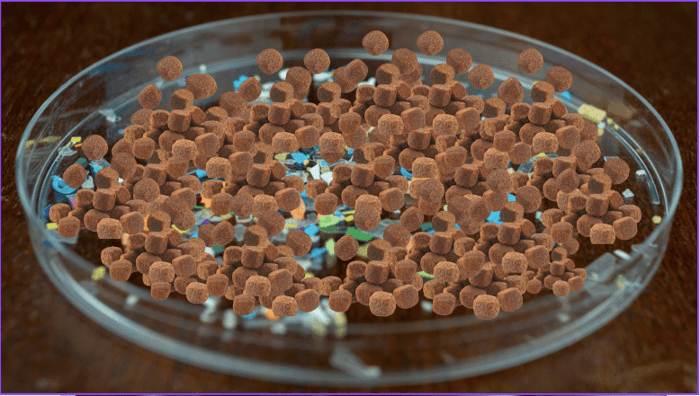
Plastic is a Problem
Unfortunately, plastic is everywhere, including in many popular kibble brands. Kibble and other products either contain visible contamination of plastics or unseen microplastics, both are a problem.
Most recently, MARs Incorporated issued a voluntary recalled two lots of 13.2oz cans of Pedigree High Protein Chopped Chicken and Duck Flavor wet dog food due to a possible contamination of sharp metals and plastic shards.
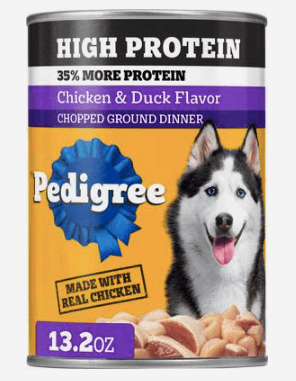 According to Fox Business, the contaminated cans were identified during quality control and “intended for destruction by a third party, but were fraudulently diverted and sold to the public.” The specific products that were affected are lot number 613C3KKCFC and 613C1KKCFC. If you have either of these foods, you should throw them out immediately.
Health risks of this potential contamination include choking, gastrointestinal blockages or lacerations. Plastic is a problem.
Microplastics are tiny plastic particles, typically smaller than 5mm. Contamination stems from raw ingredients, processing machinery, and plastic packaging breakdown.
 Studies have suggested that microplastics can harm animals and humans, although more research is needed to determine the specific impacts. Plastic is a problem.
According to Stanford Medicine, consuming microplastics is linked to oxidative stress, inflammation of the gut, and a disruption to the gut microbiome.
Because plastics contain and absorb toxic chemicals like phthalates and BPA, they also disrupt the endocrine system. Daily consumption of microplastics may negatively impact cardiovascular and reproductive health in both humans and animals.
Plastics whether visible or not, are a problem.
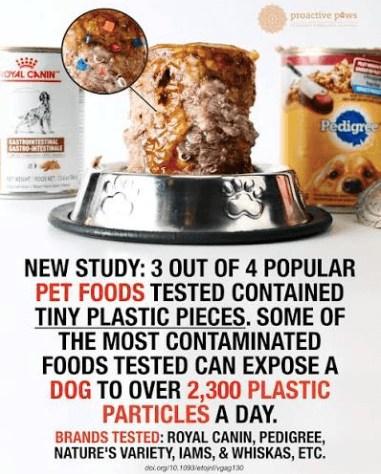
To lessen the chances of your dog consuming plastic of any kind, don't buy highly processed kibble and canned foods. Instead, you can switch to fresh diets that aren't highly processed, you can home-cook or feed raw. You can also store diets in glass or silicone containers and serve all food in stainless steel or ceramic food bowls.
Donate to Bobzilla.org

$5.00
Your Donation Changes Lives — One Bulldog at a Time 100% of every donation goes directly toward Bobzilla's groundbreaking research on vaccinosis, AGEs (Advanced Glycation End-products), and natural holistic medicine for bulldogs. No overhead. No middlemen. Just real healing. Bobzilla… read more